Temple Street Night Market Food Guide 2027: Best Stalls, Must-Try Dishes & Prices
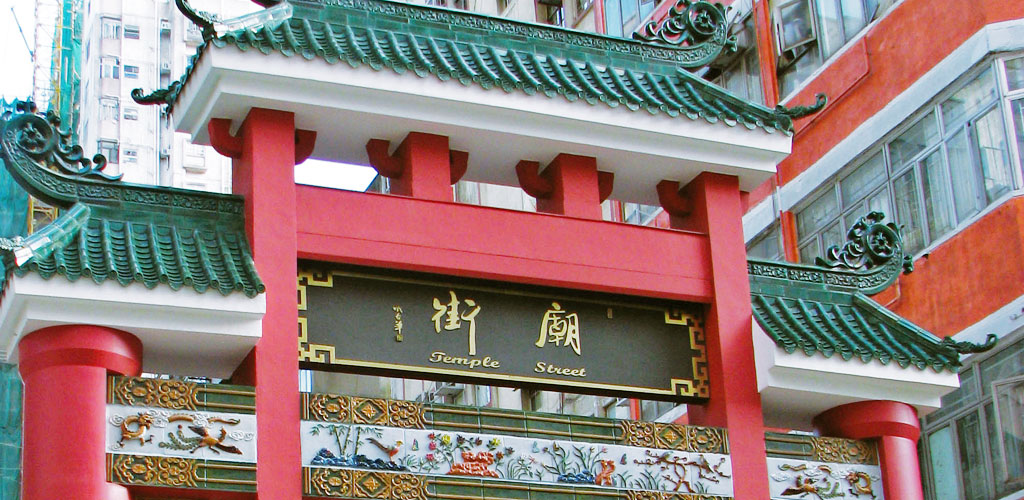
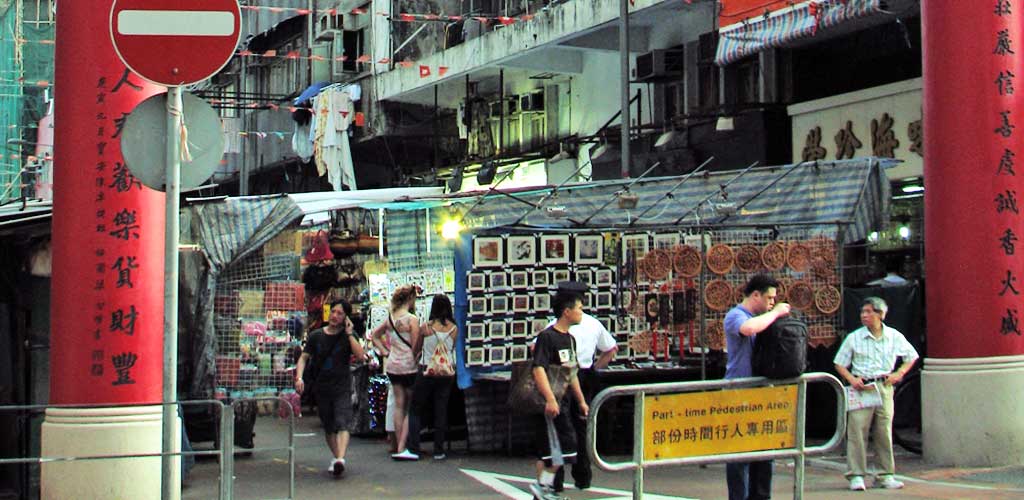
Temple Street Night Market in Yau Ma Tei is Hong Kong's last authentic night market and one of the best places in the city for street food. Known historically as the "Poor Man's Nightclub," this 1-kilometre stretch of Temple Street fills each evening with the sounds of sizzling woks, the aroma of claypot rice, and the buzz of diners gathered at dai pai dong (open-air food stalls).
This food guide takes you stall-by-stall through the market's best eating experiences, with current 2027 price ranges, must-order dishes, and insider tips on when and where to eat.
🕐 Food Stall Hours at a Glance
Food stalls (dai pai dong): 5:00 PM – midnight
Full atmosphere: 8:00 PM – 10:00 PM (best food selection)
Late-night deals: After 11:00 PM (some stalls discount to clear stock)
Budget for a satisfying meal: HK$80–200 per person
🔥 Must-Try Dishes at Temple Street
Claypot Rice (煲仔飯) — HK$50–80
The undisputed king of Temple Street street food. Claypot rice is cooked to order in traditional sandpot vessels over charcoal or gas flames, giving the rice a smoky flavour and crispy bottom crust. Toppings include Chinese sausage (lap cheong), chicken with mushrooms, minced beef with egg, and salted fish with pork. Look for stalls near the Jordan Road end of the market where the dai pai dongs cluster — these have been perfecting their claypot rice technique for decades.
Pro tip: Ask for extra dark soy sauce (老抽) and let it sit 30 seconds before mixing — the heat releases a deeper caramelised flavour. Expect 15–20 minutes cooking time; good things take patience.
Seafood — HK$100–200 per dish
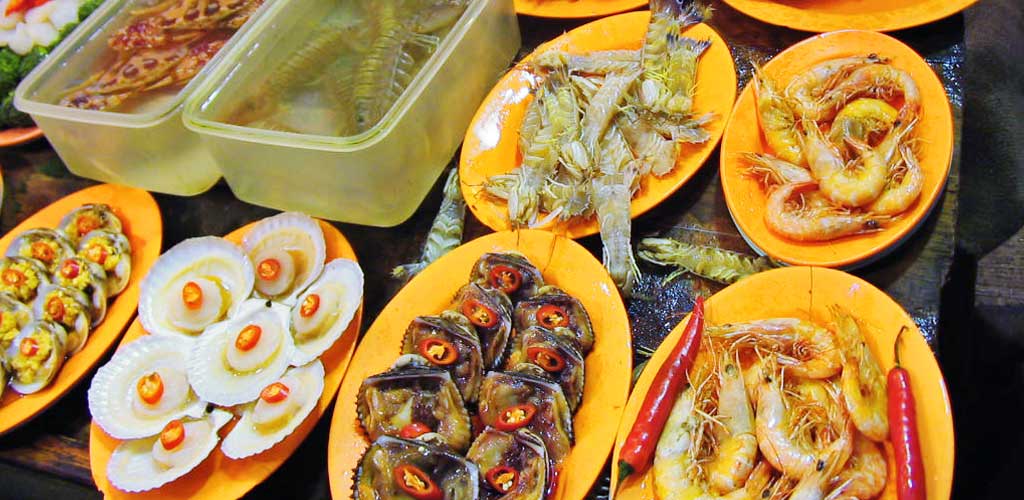
Several dai pai dongs on Temple Street specialise in fresh seafood cooked Hong Kong-style. Prawns with garlic, steamed clams in black bean sauce, and stir-fried crab with ginger and spring onion are perennial favourites. The seafood is typically displayed on ice at the front of the stall, so you can see (and choose) exactly what you're ordering.
Pro tip: Ask the price before ordering when seafood isn't clearly marked — market pricing applies. A fair price for a crab dish is around HK$150–180, and prawn dishes run HK$100–150.
Curry Fish Balls (咖喱魚蛋) — HK$10–15 per skewer
The quintessential Hong Kong street snack. Fish balls are deep-fried or boiled, then skewered and drenched in a rich, mildly spicy curry sauce. Temple Street's fish ball vendors typically offer both curry and satay sauce options. The best stalls have a consistently high turnover, meaning the fish balls are fresh and the sauce is bubbling hot.
Siu Mai (燒賣) — HK$10–15 per skewer
Pork and shrimp dumplings served steamed or fried, typically on bamboo skewers. Temple Street's siu mai are larger and more generously filled than what you will find at convenience stores. Dip in chilli oil and soy sauce for the full experience.
Spicy Skewers (串燒) — HK$15–30
Sichuan-style skewers have become increasingly popular at Temple Street, reflecting Hong Kong's evolving street food culture. Beef, lamb, chicken, and tofu are marinated in chilli and Sichuan peppercorn, then grilled over charcoal. The numbing-spicy (麻辣) flavour is addictive — start with one or two to test your tolerance.
Turkey Lamb Kebab — HK$40–60
A more recent addition to Temple Street's food scene, reflecting Hong Kong's international character. Spiced meat is shaved from a vertical rotisserie and served in flatbread with lettuce, tomato, and a choice of sauces. Good for a quick, filling snack between other eats.
⭐ Sample Eating Itinerary (HK$150–200 total)
Starter: Curry fish balls (HK$15) + siu mai (HK$15)
Main: Claypot rice with Chinese sausage (HK$65)
Shared dish: Garlic prawns (HK$120 split between two = HK$60)
Drink: Sugarcane juice (HK$15) or fresh watermelon juice (HK$20)
Dessert: Egg waffles from a nearby stall (HK$25)
🍜 Stall-by-Stall Dining Guide
Temple Street's food scene is concentrated in two main areas: the southern section near Jordan Road (more dai pai dongs and seated dining) and the northern section near Tin Hau Temple (more grab-and-go snacks).
Southern Zone (Jordan Rd to Tin Hau Temple) — Sit-Down Dining
This is where the proper dai pai dong restaurants cluster, with plastic stools and fold-out tables spilling onto the pavement. Each stall specialises in 2-3 dishes — the best approach is to order from multiple stalls and have them brought to your table. Most stalls in this zone operate on a "buy from us, sit at our tables" understanding, so check before mixing orders from different vendors.
Recommended strategy: Find a dai pai dong with available seating, order their speciality dish (usually claypot rice or seafood), then send one person from your group to grab skewers or fish balls from nearby stalls.
Northern Zone (Tin Hau Temple to Kansu St) — Quick Eats
The northern section is more about walking and snacking. This is where you will find the fish ball vendors, siu mai skewers, Turkish kebabs, and fruit juice stalls. The variety is wider here but seating is limited — most items are designed to be eaten standing or walking.
🥤 Drinks and Desserts
Fresh Fruit Juices — HK$15–25
Sugarcane juice, watermelon juice, and fresh orange juice are the most common options. The sugarcane juice is pressed fresh in front of you — refreshing and lightly sweet, it pairs perfectly with spicy food.
Mido Cafe — HK$40–80 per person
While not a market stall, Mido Cafe at 63 Temple Street is an institution. This retro-style cha chaan teng (Hong Kong-style cafe) has been serving since the 1950s and is famous for its preserved architecture, neon signage, and classic Western-influenced Hong Kong dishes. Stop in for a cup of Hong Kong-style milk tea (HK$22) or a pineapple bun (HK$18). Its vintage interior has been used as a film backdrop for multiple Hong Kong movies.
Egg Waffles (雞蛋仔) — HK$20–30
These bubble-shaped waffles are crispy on the outside and soft inside. Look for vendors with freshly made batches — the quality difference between fresh and pre-made is enormous. Available in original, chocolate, and sometimes matcha flavours.
⏰ Best Times to Eat
6:00 PM – 7:30 PM: Early dinner window. Stalls are fully set up, crowds are manageable, and you get personal attention from vendors. Best for families and those who prefer a relaxed dining pace.
8:00 PM – 9:30 PM: Peak food atmosphere. The market is at its liveliest, all stalls are operational, and the full menu is available. Best for solo travellers and couples who enjoy the buzz.
10:00 PM – midnight: Late-night eats. Some stalls offer small discounts to clear stock. The atmosphere is more relaxed and local. Best for budget travellers and night owls.
💡 Tips for Eating at Temple Street
- Bring cash. Most food stalls do not accept cards or mobile payments. Small bills (HK$10, HK$20, HK$50) are preferred.
- Share dishes. Most portions are designed for 2-3 people. Sharing lets you try 4-5 different dishes.
- Watch the spice levels. "M yiu lat" (no spicy) and "siu lat" (little spicy) are useful Cantonese phrases. Most vendors can adjust if you communicate clearly.
- High turnover = fresh food. Choose stalls with constant customers. The food is cooked continuously and is both safer and tastier.
- Check prices before ordering seafood. Not all stalls display seafood prices prominently. A quick "gei chin ah?" (how much?) avoids surprises.
- Tuesday-Thursday evenings offer the best balance of atmosphere and elbow room. Weekends are crowded but energetic.
🗺️ Getting to Temple Street
MTR (south end): Jordan Station (Tsuen Wan Line), Exit A — 2-minute walk
MTR (north end): Yau Ma Tei Station (Tsuen Wan / Kwun Tong Lines), Exit C — 5-minute walk via Jade Market
Taxi from TST: HK$30–40
Taxi from Central: HK$60–80
The food zone starts at the Jordan Road end of Temple Street and extends north past Tin Hau Temple. The best entry point for food is Jordan MTR Exit A — walk straight and you will hit the dai pai dong cluster within 2 minutes.
Related guides: Essential Night Market Tips | Temple Street Food Overview | Opening Hours & Best Times