Hong Kong Night Market Food Tour Guide
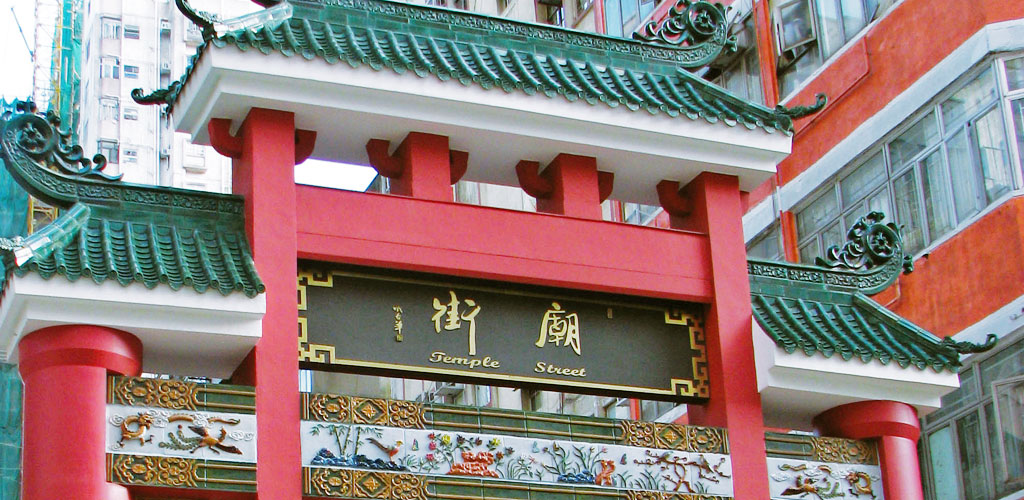
Hong Kong's vibrant night market food scene offers visitors an authentic taste of the city's culinary soul, where traditional recipes meet modern energy in bustling street-side settings. Temple Street Night Market serves as the crown jewel of this experience, providing an unparalleled journey through Hong Kong's most beloved street foods and cultural traditions.
🍜 Food Tour Quick Facts
- Best Tour Times: 7:00 PM - 11:00 PM, when the food stalls, fortune tellers and street opera are all in full swing
- Peak Season: October to March, Hong Kong's cool dry season — the Observatory records about 80% of the year's rain between May and September
- Average Tour Duration: 2-3 hours for the operator's evening walk (checked 13 October 2026)
- Food Cost: priced per dish — see the per-dish bands in the self-guided route below
Professional Food Tour Companies
Many night-market food walks are sold in Hong Kong, but we can verify only one that runs at Temple Street itself as a real, bookable product — the walk below. Its details come from the operator's own listing.
Walk in Hong Kong — Temple Street Night Market Foodie Experience
Walk in Hong Kong runs the one Temple Street food experience we can verify as a real, bookable product. It is a 2-3 hour evening walk that stays at the market: three street snacks, a claypot-rice dinner, and a stop in a nostalgic singing parlour, meeting at Jordan MTR station.
Duration: 2-3 hours
Meets at: Jordan MTR station
Includes: three street snacks, a claypot-rice dinner and a nostalgic singing parlour
Price and dates: see the booking page
Book: walkin.hk — Temple Street Night Market Foodie Experience
💡 Professional Tour Benefits
- Expert Navigation: Local guides know the best vendors and optimal timing
- Cultural Context: Learn the history and significance behind each dish
- Language Bridge: Guides facilitate interaction with Cantonese-speaking vendors
- Safety Assurance: Professional oversight ensures food safety and venue selection
Self-Guided Food Tour Route
For independent travelers, a well-planned self-guided route through Temple Street Night Market can provide an equally rewarding experience with greater flexibility and personal pace control.
Essential Temple Street Food Route
Starting Point: Jordan MTR Station (Exit A)
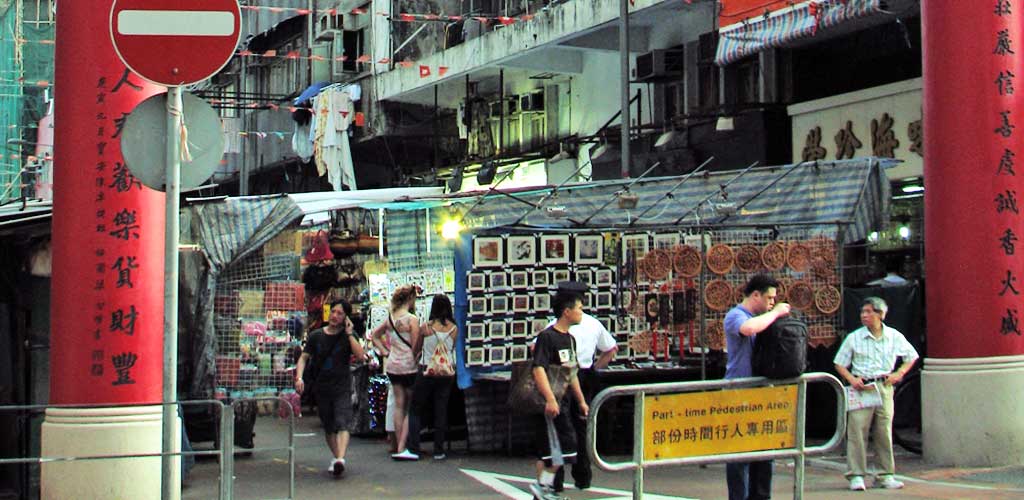
Begin your culinary journey at the southern entrance of Temple Street, where the concentration of food vendors is highest and the atmosphere most vibrant.
Stop 1: Curry Fish Balls (6:00 PM)
Look for vendors with large steaming pots near the market entrance. These spicy, bouncy fish balls represent Hong Kong's most iconic street food. Cost: about HK$10-25 a stick (checked October 2026).
Stop 2: Clay Pot Rice (6:30 PM)
Traditional clay pot restaurants cluster around Woosung Street. Order the classic Chinese sausage and preserved meat version. Allow 20 minutes cooking time. Cost: about HK$70-120 a pot (checked October 2026).
Stop 3: Spicy Crab (7:15 PM)
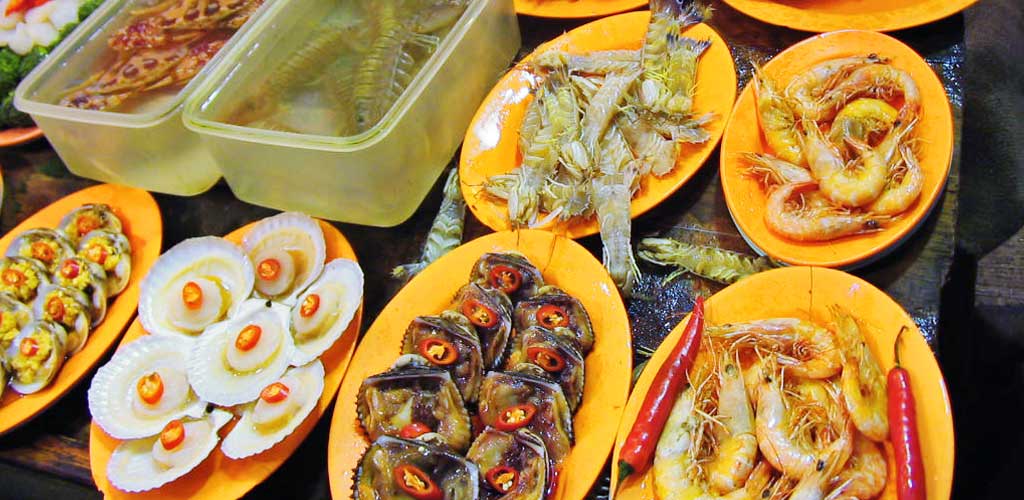
Multiple stalls claim to be the "original" Temple Street spicy crab. Look for live crabs in tanks and choose restaurants with high local customer turnover. Cost: about HK$200-350 for a whole crab, sold live by weight — check the price before it goes in the wok.
Stop 4: Stinky Tofu (8:00 PM)
This fermented tofu delicacy is an acquired taste but represents authentic Hong Kong street food culture. Vendors usually offer small portions for tentative first-timers. Cost: about HK$20-35 a portion (checked October 2026).
Stop 5: Turtle Jelly (8:30 PM)
Traditional Chinese dessert believed to have cooling properties. Several herbal tea shops along Temple Street offer this unique experience. Cost: set by each shop — ask before you order.
Advanced Route Extensions
Jade Market Connection: Extend your tour by walking 10 minutes to Kansu Street Jade Market for additional food vendors and cultural shopping experiences.
Jordan Neighborhood Exploration: Venture into side streets around Jordan Road for local cha chaan teng (tea restaurants) and traditional Hong Kong-style cafes.
🕒 Optimal Timing Strategy
6:00 PM - 7:00 PM: Early arrival for photos and vendor setup observation
7:00 PM - 8:30 PM: Peak dining time with maximum food variety
8:30 PM - 10:00 PM: Cultural activities, fortune telling, and entertainment
After 10:00 PM: Late-night snacks and more intimate vendor interactions
Must-Try Street Food Experiences
Signature Temple Street Dishes
Typhoon Shelter Crab: A Temple Street specialty featuring crab stir-fried with garlic, chili, and fermented black beans. This dish originated in Hong Kong's typhoon shelters and represents the area's maritime heritage.
Cart Noodles: Customizable instant noodle dishes where diners select from dozens of toppings including fish balls, beef brisket, and vegetables. Popular with younger locals and represents modern Hong Kong street food evolution.
Egg Waffles (Gai Daan Jai): Golden, spherical waffles that are crispy outside and soft inside. Traditional vendors prepare these fresh throughout the evening, creating an iconic Hong Kong aroma.
Herbal Tea: Traditional Chinese medicinal drinks offered by specialized stalls. These bitter but healthful beverages provide cultural insight into Chinese wellness traditions.
Seasonal Specialties
Winter (December-February): Hot pot-style street food, steaming bowls of noodle soups, and warming herbal teas become popular as temperatures drop.
Summer (June-August): Cold desserts, fresh fruit juices, and lighter snacks dominate vendor offerings, with ice-cold soy milk and grass jelly providing relief from humidity.
Festival Foods: During Chinese New Year, Mid-Autumn Festival, and other celebrations, special seasonal foods appear that reflect traditional holiday customs and ingredients.
⚠️ Food Safety and Cultural Tips
- Vendor Selection: Choose stalls with high customer turnover and visible food preparation
- Hygiene Observation: Look for vendors using tongs or gloves when handling food
- Payment: Small denomination HK$ notes preferred; most vendors don't accept cards
- Cultural Respect: Point to items if language is a barrier; vendors appreciate patient customers
Cultural Immersion Opportunities
Fortune Telling Integration
Temple Street's famous fortune tellers provide cultural context that enhances food touring experiences. Many food tours include brief fortune telling sessions that explain the spiritual significance of the temple area.
Traditional Palm Reading: Located near the Tin Hau Temple, palm readers offer insights into Chinese metaphysical traditions while you digest between food stops.
Bird Fortune Telling: Unique to Hong Kong, trained birds select fortune cards for customers. This entertaining experience provides conversation topics for food tour groups.
Cantonese Opera Performances
Street-side opera performances occur nightly, providing authentic cultural entertainment between food courses. These impromptu shows showcase traditional Chinese performing arts in their natural community setting.
Food tour groups often time visits to coincide with opera performances, creating multimedia cultural experiences that combine taste, sound, and visual traditions.
📱 Modern Food Tour Enhancements
- Instagram Opportunities: Many vendors create photogenic displays specifically for social media
- Mobile Payments: Some younger vendors accept Alipay and WeChat Pay alongside cash
- English Menus: Popular stalls increasingly offer English descriptions for international visitors
- QR Code Information: Progressive vendors provide QR codes linking to ingredient lists and preparation videos
Private and Group Tour Options
Private Culinary Experiences
For visitors seeking more personalized attention, private food tours offer customized experiences tailored to dietary preferences, cultural interests, and time constraints.
Family Private Tours: Specialized experiences for families with children, featuring milder flavors, shorter durations, and educational components about Hong Kong food culture.
Corporate Group Tours: Team-building experiences that combine food exploration with cultural learning, often including private dining areas and group cooking demonstrations.
Photography-Focused Tours: Tours designed for food bloggers and photography enthusiasts, with optimal timing for lighting and access to behind-the-scenes vendor operations.
Specialty Dietary Tours
Vegetarian Night Market Tours: Specialized experiences highlighting Buddhist cuisine, vegetarian dai pai dong options, and plant-based street food innovations.
Halal Food Tours: Tours featuring Muslim-owned vendors and halal-certified food stalls, ensuring dietary compliance while providing authentic Hong Kong experiences.
Gluten-Free Options: Guided experiences for visitors with gluten sensitivities, featuring rice-based dishes and naturally gluten-free traditional foods.
🎯 Tour Booking Strategies
- Advance Reservations: Book 3-7 days ahead during peak season (October-March)
- Group Discounts: Most companies offer reduced rates for groups of 6+ people
- Weather Contingencies: Tours typically operate rain or shine with covered area alternatives
- Cancellation Policies: Most operators require 24-48 hours notice for full refunds
Beyond Temple Street: Extended Food Tours
Multi-Market Experiences
Comprehensive food tours often extend beyond Temple Street to include other significant Hong Kong food destinations, creating complete culinary portraits of the city.
Ladies Market Connection: Tours combining Temple Street with Mong Kok's Ladies Market, showcasing different neighborhood food cultures and vendor specialties.
Central-Tsim Sha Tsui Route: Extended experiences that contrast street food with high-end dining, including ferry rides between Hong Kong Island and Kowloon food destinations.
Traditional Wet Market Tours: Morning market visits followed by evening Temple Street experiences, demonstrating the complete Hong Kong food supply chain from fresh ingredients to prepared dishes.
Neighborhood Food Trails
Jordan Food District: Extended exploration of the Jordan neighborhood surrounding Temple Street, featuring local cha chaan teng, traditional bakeries, and residential area food vendors.
Yau Ma Tei Cultural Route: Comprehensive tours including the Jade Market, flower market, and wholesale fruit market, providing complete cultural context for Temple Street's food scene.
Seasonal Food Tour Planning
Weather Considerations
Dry Season (October-March): Ideal conditions for food touring with comfortable temperatures and minimal rain. Peak tourist season requires advance booking.
Wet Season (April-September): Hot, humid conditions with frequent rain showers. Tours often include covered market areas and indoor vendor spaces as alternatives.
Typhoon Season (June-November): Potential weather disruptions require flexible planning and indoor backup options for comprehensive food experiences.
Festival and Event Integration
Chinese New Year (January-February): Special festival foods, extended market hours, and unique seasonal vendors create enhanced food touring opportunities.
Mid-Autumn Festival (September-October): Mooncake vendors, traditional pastries, and festival atmosphere provide seasonal cultural context for food tours.
Dragon Boat Festival (May-June): Traditional zongzi (rice dumplings) and seasonal delicacies offer unique tasting opportunities during festival periods.
Food Tour Photography and Documentation
Photography Guidelines
Temple Street's vibrant food scene provides excellent photography opportunities, but cultural sensitivity and vendor cooperation enhance the experience for everyone.
Vendor Courtesy: Always ask permission before photographing vendors or their food preparation. Most are happy to pose when asked respectfully.
Optimal Lighting: The golden hour (6:00-7:00 PM) provides the best natural lighting for food photography, while evening neon creates dramatic atmospheric shots.
Cultural Documentation: Focus on capturing the cultural context alongside the food—vendor interactions, preparation techniques, and customer experiences tell richer stories.
Social Media and Sharing
Many food tour participants document their experiences for social media sharing, contributing to Temple Street's growing international recognition as a culinary destination.
Instagram Strategy: Tag locations and vendors to support local businesses while building travel content that inspires future visitors.
Food Blogging: Detailed documentation of dishes, prices, and experiences helps preserve knowledge about traditional food culture for future generations.
Conclusion
Hong Kong's night market food tour scene offers visitors access to authentic culinary culture through both professional guided experiences and well-planned independent exploration. Temple Street Night Market remains the cornerstone of these experiences, providing a perfect introduction to Hong Kong's street food traditions while serving as a gateway to deeper cultural understanding.
Whether through professional tour companies with expert guides or carefully planned self-guided adventures, the night market food tour experience connects visitors with Hong Kong's culinary soul in ways that restaurant dining simply cannot match. The combination of authentic flavors, cultural immersion, and community interaction creates lasting memories that extend far beyond mere consumption.
Begin your Hong Kong food tour adventure today and discover why Temple Street Night Market remains one of the world's most authentic and accessible culinary cultural experiences.